



SP 500 Average Annual Return: Your Essential Survival Guide
Imagine this: late at night, you’re scrolling through your investment portfolio, feeling a mix of excitement and anxiety. The stock market feels like a vast ocean, and the SP 500 average annual return is your compass. What does it mean for you, and how can it affect your financial future? Let’s unravel this together.
Understanding SP 500 Average Annual Return
The SP 500 average annual return is a benchmark that reflects the average yearly earnings of the S&P 500 index. Traditionally, it’s about 10% when accounting for inflation. However, these numbers can vary dramatically based on market conditions.
Translating Complex Terms into Everyday Language
Here’s the scary part: many people misunderstand what average returns mean. It’s not just about numbers on paper. It suggests the general trend but doesn’t guarantee future performance. Let’s break down some key aspects.
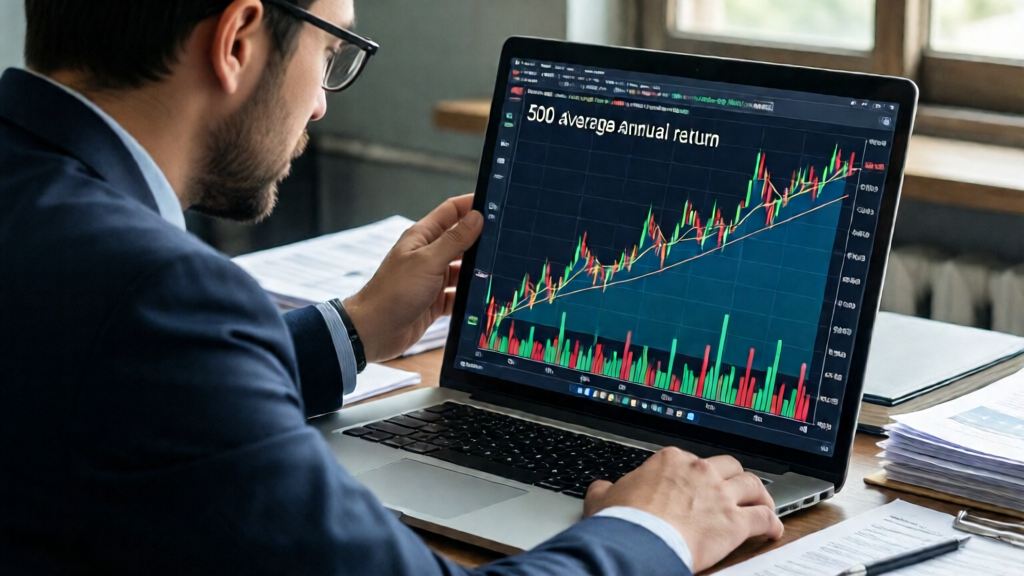
- Volatility: Imagine this as how much the market dances up and down.
- Compounding: Think of it like a snowball rolling downhill, gathering more snow over time.
- Market Cycles: These are periods of ups and downs. Everything in finance swings like a pendulum.
Risk vs. Reward: A Visual Comparison
| Investment Strategy | Average Annual Return | Risk Level | Time Frame |
|---|---|---|---|
| Buy and Hold (SP 500) | 10% | Moderate | 5-10 years |
| Active Trading | Varies | High | Short-term |
| Diversified Portfolio | 8%-10% | Low to Moderate | 5 years |
| Sector-Specific Investments | Varies | High | Short to Mid-term |
| Bonds | 2%-5% | Low | 1-10 years |
The Mental Game
Facing the reality of SP 500 average annual return can trigger fear and greed. Historically, I’ve witnessed new investors panic during downturns only to miss opportunities. Let’s be real: you have to train your mind to stay calm.
- Stay Informed: Keep your knowledge up to date to reduce anxiety.
- Set Realistic Expectations: Understand that losses are part of the process.
- Practice Mindfulness: Techniques like meditation can help you maintain emotional balance.
2026 Latest Avoidance Checklist
1. **Diversify Your Investments**: Don’t put all your eggs in one basket.
2. **Research Before Investing**: Understand what you’re putting your money into.
3. **Keep an Emergency Fund**: Ensure you can weather unexpected losses.
4. **Establish a Clear Strategy**: Always have a plan before making trades.
5. **Avoid Market Timing**: It’s nearly impossible to predict short-term trends.
6. **Regularly Review Your Portfolio**: Make adjustments based on performance and goals.
7. **Seek Professional Advice**: Consulting an expert can provide clarity.
FAQ
Q1: Is SP 500 average annual return safe for beginners?
A: While relatively stable, beginners should research and understand risks involved.
Q2: How to use SP 500 average annual return in 2026?
A: Leverage it as a benchmark for evaluating your portfolio performance.
Q3: What factors affect the SP 500 average return?
A: Economic stability, interest rates, and geopolitical events influence returns.
Q4: How to minimize risks when investing in SP 500?
A: Diversify and avoid emotional reactions to market fluctuations.
Q5: Why is historical data important for SP 500 analysis?
A: It provides context and helps set realistic expectations for future returns.
As we look ahead to 2026, staying informed about the SP 500 average annual return becomes even more vital. It’s not just about numbers. It’s about preparing yourself for the complexities of investment and ensuring a secure future. Don’t forget to check our security guide for valuable insights.
Author: Dr. Julian Vance
Julian was a security consultant for top DeFi protocols and has 15 years of cybersecurity experience. He has published dozens of in-depth studies on “digital asset security and human behavior.” He currently focuses on helping Web3 newcomers build asset security barriers without sacrificing mental well-being. Stay tuned with livescrypto for more insights.


