



Ledger vs. Trezor vs. New AI Wallets: The 2026 Comparison
In the world of cryptocurrencies, security is paramount. With data breaches and hacks becoming increasingly common, many new users face a daunting choice: which wallet to trust with their digital assets? Let’s break it down and look at why Ledger, Trezor, and the upcoming AI wallets are central to this discussion as we navigate 2026.
Understanding Wallets
First off, here’s a quick answer: A crypto wallet is essentially your digital safe. It stores your private keys, allowing you to make transactions. There are hardware wallets like Ledger and Trezor, and now, with AI wallets emerging, the choices are diversifying.
Why Wallet Security Matters
Here’s the scary part: With every exciting leap in technology, the risk of losing assets grows. I remember in 2025, a seemingly minor software update exposed vulnerabilities in several wallets. Users weren’t aware until their assets started disappearing.
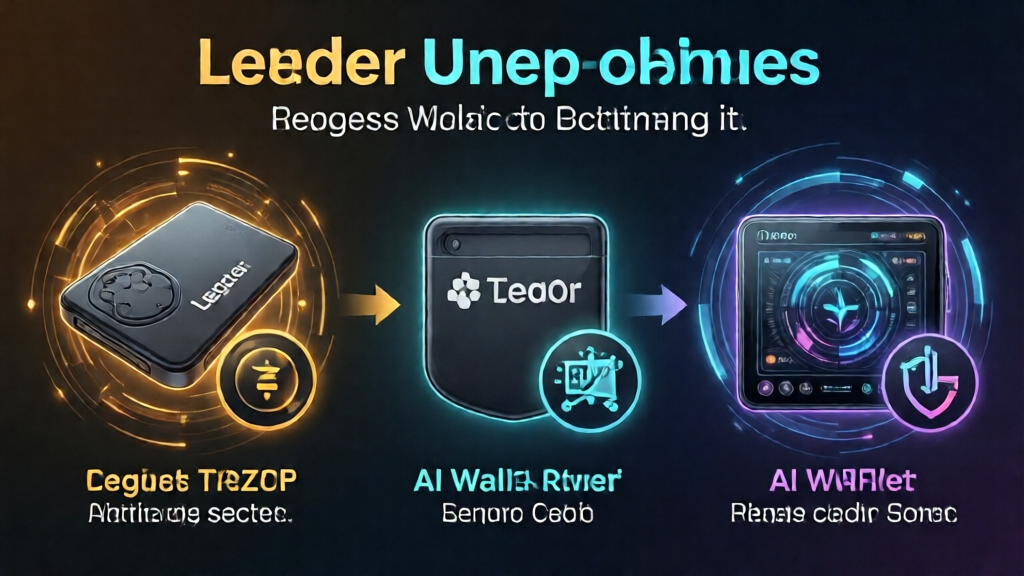
Breaking Down the Choices
Let’s explore the pros and cons of Ledger, Trezor, and the new AI wallets. Understanding these nuances is crucial to making a wise decision.
Ledger: The Veteran
Ledger has been a trusted name for years. It’s known for its robust security features, including secure chips and a user-friendly interface. However, some users find it too rigid and less accommodating than newer systems.
Trezor: The Innovator
Trezor prides itself on open-source software and user focus. It offers enhanced ease of use, making it ideal for beginners. Still, it has faced its share of security concerns over the years, leading to a certain hesitation among users.
New AI Wallets: The Game Changers
AI wallets are an intriguing development. They utilize machine learning to adapt and enhance user security dynamically. While they promise significant advancements, their actual efficacy in protecting against hackers remains to be seen.
Side-By-Side Comparison
| Wallet Type | Security Features | User Experience | Price |
|---|---|---|---|
| Ledger | Secure chip, two-factor authentication | Moderate – some learning curve | $59-$249 |
| Trezor | Open-source, password manager | Easy to use for beginners | $59-$219 |
| AI Wallets | Adaptive security, smart alerts | Variable – innovation can be complex | Subscription based |
The Mental Game
Talking about wallet choices brings a wave of emotions. It’s a mix of fear and greed. Let’s be real, the fear of losing hard-earned assets is very real. I’ve seen this firsthand; during a wallet vulnerability period, many users panicked, believed they had lost everything.
To ease these fears, I suggest considering what’s at stake. Seek knowledge. Understand the security features of each wallet. Trust your instincts, but also back it with facts.
2026 Avoid Pitfalls Checklist
- Research current wallet security trends.
- Regularly update wallet firmware.
- Enable two-factor authentication whenever possible.
- Practice safe habits with passwords.
- Don’t expose your recovery seed to anyone.
FAQs
Is Ledger vs. Trezor vs. New AI Wallets safe for beginners?
Yes, each wallet has its strengths; Ledger is secure, Trezor is user-friendly, and AI wallets are innovative.
How to use Ledger vs. Trezor vs. New AI Wallets in 2026?
Start by understanding each interface. Follow their tutorials for setup and usage.
Which wallet has better customer support?
Trezor is known for excellent customer support, plus large support communities.
Are AI wallets worth trying?
AI wallets are still developing. Weigh their features against traditional options before committing.
What if my wallet is compromised?
Immediately disconnect from networks, change passwords, and contact customer support.
Conclusion
The landscape of crypto wallets is continually evolving. The question of Ledger vs. Trezor vs. new AI wallets will shape how we protect our assets. Choose wisely in 2026, as the right wallet can significantly affect your crypto journey.
Always keep an eye on news and updates on security. Stay informed. Our purpose at livescrypto is to help you navigate these waters confidently.
Author: Dr. Julian Vance
Julian was a security consultant for top DeFi protocols and has 15 years of cybersecurity experience. He has published dozens of in-depth studies on “digital asset security and human behavior.” He currently focuses on helping Web3 newcomers build asset security barriers without sacrificing mental well-being.


