



How to Verify a Founder’s Reputation in 3 Easy Steps
In the vibrant world of cryptocurrency, founder credibility can make or break an investment. Here’s the scary part: 2025 saw a spike in crypto scams, with estimated losses reaching $7.8 billion. It’s not just numbers; it’s someone’s life savings. So, how do you protect yourself? Let’s grab that hot coffee and explore how to verify a founder’s reputation in three easy steps.
Step 1: Check Online Presence
First, assess a founder’s digital footprint. Start with social media accounts and professional profiles like LinkedIn. A consistent presence matters. If you can’t find them online, that’s a red flag. I once encountered a promising project in 2026 whose founder had an outstanding LinkedIn profile, but a deeper dive showed no prior engagements in the crypto space. This mismatch led to skepticism.
Step 2: Analyze their History
Look into their track record. Did they successfully launch other projects? Evaluate past ventures for both success and failure. For instance, I remember examining a founder in 2025 who had an impressive history but was also linked to several failed projects. They held great vision, but their execution was questionable, leading me to steer clear.
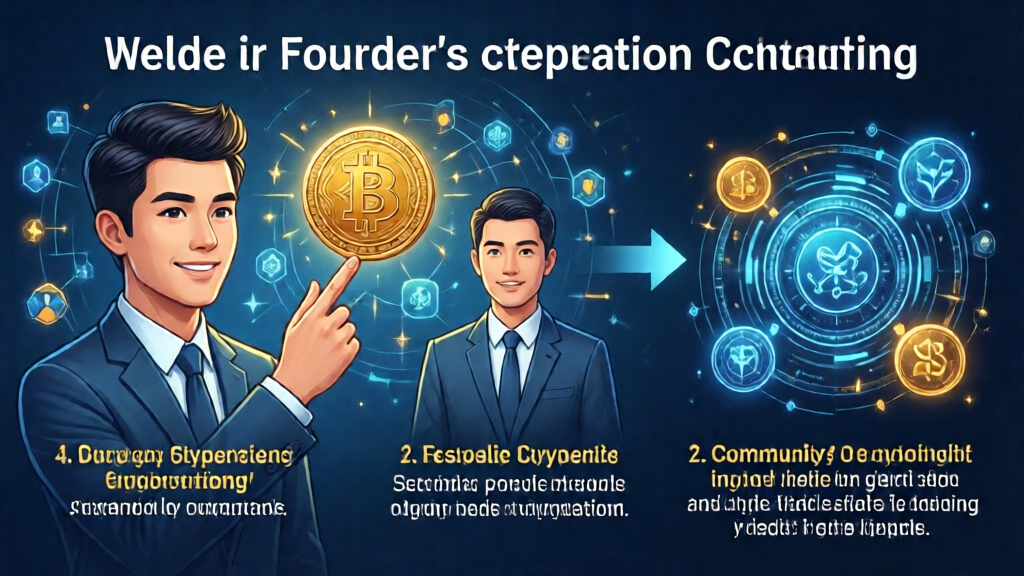
Step 3: Consult the Community
Connect with others in the crypto community. Trusted forums and discussion boards, like Reddit or Telegram groups, can reveal insights. Transparency from peers is invaluable. In 2026, I found a vibrant thread discussing a new token; community members shared experiences, giving me firm guidance about its founder’s reputation.
Core Logic Breakdown
Now, let’s translate some tech speak into everyday language. Checking a founder’s reputation isn’t just about their educational background or technical jargon. Think of it like meeting someone for coffee. Are they genuine? Do they have stories that resonate with you?
Risk and Reward Comparison Table
| Strategy | Risk | Reward | Notes |
|---|---|---|---|
| Social Media Check | Moderate | Identifies reputational patterns | Look for consistency in messaging |
| Historical Analysis | High | Understanding past successes/failures | Beware of cherry-picking highlights |
| Community Feedback | Moderate | Real-time reviews and opinions | Cross-verify with multiple sources |
| Background Checks | Low | Objective validation of credentials | Professional networks can help |
The Mental Game
When facing the task of verifying a founder’s reputation, new entrants often feel lost in fear or greed. The allure of quick returns can mask warning signs. Let’s be real; the urgency to jump in can cloud judgment. Take a step back. Breathe. Assess with clarity. I personally felt the rush in 2025 but learned through a stunted investment in a dubious project that patience and diligence trumps impulse.
2026 Latest Pitfall Avoidance Checklist
- Look for founders with prior project success in the space.
- Inspect social profiles for consistency and professionalism.
- Engage in community discussions before making decisions.
- Utilize blockchain analytics for transaction backgrounds.
- Verify credentials through trusted industry portals.
FAQs
- What are the primary red flags to look for?
- Watch out for inconsistent information and lack of online presence.
- How can community feedback be valuable?
- It offers real experiences and opinions from users.
- Is there a tool for background checks?
- Yes, utilize sites like Crunchbase or GitHub for insight.
- What happens if I ignore these steps?
- You risk falling into scams and losing investments.
- How often should I re-check a founder’s reputation?
- Regularly, especially before major project milestones.
In closing, verifying a founder’s reputation might seem daunting, but with these three steps, you can navigate the murky waters of the crypto space with confidence. Always remember to engage with community insights and approach your investments with a calm mind. Stay updated on our latest safety tips here at livescrypto.
Author: Dr. Julian Vance
Julian was a security consultant for top DeFi protocols and has 15 years of cybersecurity experience. He has published dozens of in-depth studies on digital asset security and human behavior. He currently focuses on helping Web3 newcomers build asset security barriers without sacrificing mental well-being.


