



Crypto and the Environment: Debunking the Energy Myth
Here’s the scary part: many people believe cryptocurrencies are solely responsible for environmental harm. The truth is, the relationship between crypto and the environment is more nuanced. Let’s delve into what this actually means for our planet and us.
Understanding Crypto’s Energy Consumption
So, what’s the direct answer? Crypto mining does consume energy, but advancements in technology and alternative approaches show promising paths towards sustainability.
The Reality of Mining
Honestly, I’ve seen this happen: people hear about massive energy consumption and think crypto is a villain. However, let’s break it down. When mined properly, cryptocurrencies can use renewable energy sources, tackling both energy concerns and the climate crisis.
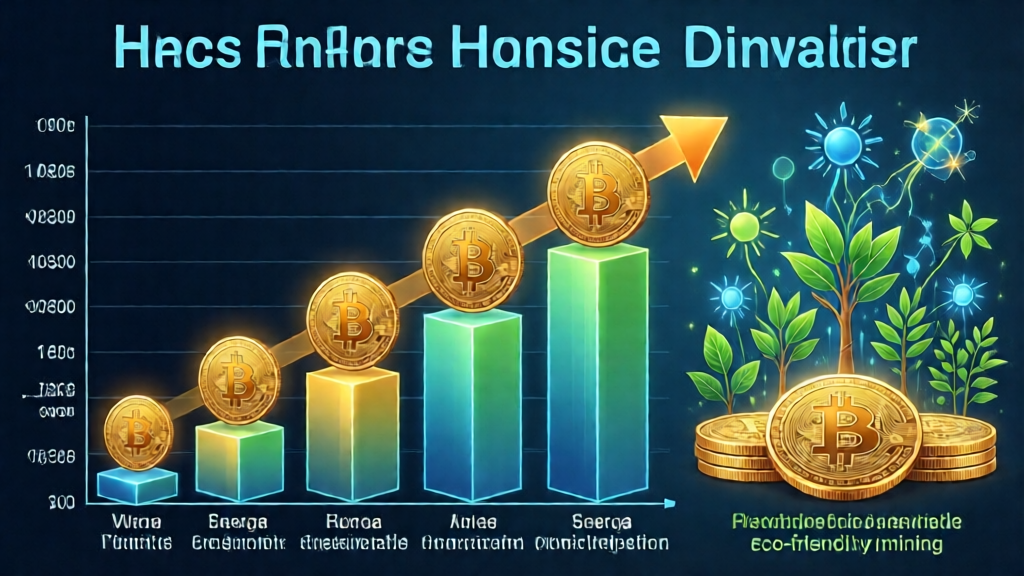
Breaking Down the Myths
Think of it like this: rumors can inflate fears. Here are the technical terms turned everyday insights.
- Proof of Work (PoW): This is the traditional method requiring energy-heavy computations.
- Proof of Stake (PoS): A newer method that’s energy-efficient and reduces reliance on energy-draining mining.
- Renewable Integration: Many miners are migrating to wind, solar, and hydro-energy sources.
Energy Consumption by Cryptocurrency Type
2026 predictions show a clearer picture. According to a recent CoinGecko report, some cryptocurrencies might cut their energy consumption by up to 70% as they transition to greener alternatives.
Comparison of Strategies
Let’s put this in perspective. Here’s a comparison of different crypto strategies with cultural implications:
| Strategy | Risk | Benefit | Environmental Impact |
|---|---|---|---|
| Proof of Work | High energy costs | Security & stability | High carbon footprint |
| Proof of Stake | Lower initial investment | Less energy use | Significantly reduced emissions |
| Hybrid Models | Complex implementation | Balanced benefits | Variable based on sources |
| Renewable Mining | Inconsistent source availability | Eco-friendly | Minimal impact |
The Mental Game
When encountering the myth of **Crypto and the Environment: Debunking the Energy Myth**, new users often grapple with fear. They worry about the ecological implications. Here’s the thing: acknowledging these concerns is the first step.
Let’s be real, it’s normal to feel uneasy. But remember, several projects are demonstrating responsible practices that protect our environment. Mindset matters in this digital landscape.
2026 Latest Pitfalls Checklist
To navigate the evolving landscape, here are tips for safer crypto practices:
- Always conduct research on the crypto project’s energy consumption.
- Look for sustainability certifications or partnerships.
- Invest in Proof of Stake or renewable-based projects.
- Stay updated on technology advancements in the sector.
- Engage with community discussions about eco-friendly practices.
FAQs
Here are some common questions people ask regarding crypto and its environmental effects:
- Is Crypto and the Environment: Debunking the Energy Myth safe for beginners? Yes, especially if you choose energy-efficient platforms.
- How to use Crypto and the Environment: Debunking the Energy Myth in 2026? Focus on sustainable alternatives.
- What are the environmental impacts of crypto mining? It can vary; transitioning to renewable energy reduces harm.
- Are all cryptocurrencies harmful to the environment? No, many are developing greener technologies.
- How can I educate myself on sustainable crypto practices? Follow crypto news and forums dedicated to eco-efforts.
Conclusion
In summary, understanding Crypto and the Environment: Debunking the Energy Myth dispels some fears. The industry is shifting towards more sustainable methodologies. Keeping informed is your best bet for navigating the future.
Remember, at livescrypto, we strive to keep you updated on the latest security advancements. Follow our platform for evolving updates, and together, let’s shape a better crypto future.
Author: Dr. Julian Vance
Julian was a security consultant for top DeFi protocols and has 15 years of cybersecurity experience. He has published dozens of in-depth studies on ‘digital asset security and human behavior.’ He currently focuses on helping Web3 newcomers build asset security barriers without sacrificing mental well-being.


