



Introduction
Let’s be real. Paying for your coffee with crypto in 2026 isn’t just a trendy idea anymore; it’s becoming reality. But is it safe? Here’s the deal: understanding this concept means navigating a web of technology, emotions, and fresh risks. Just like the barista knows your favorite brew, you should know the ins and outs of using crypto for everyday purchases. So, how do you do it? Let’s break it down.
Decoding the Tech: A Simple Breakdown
Honestly, I’ve seen many newcomers struggle, thinking cryptocurrency is just a buzzword. It’s not. In 2026, the integration of digital currencies into daily life is smoother than ever. But what does that mean for your cup of joe?
Think of it like this: Using crypto for your coffee involves a digital wallet, a secure connection, and a merchant that accepts cryptocurrency. This setup transforms a simple transaction into a tech-savvy purchase.
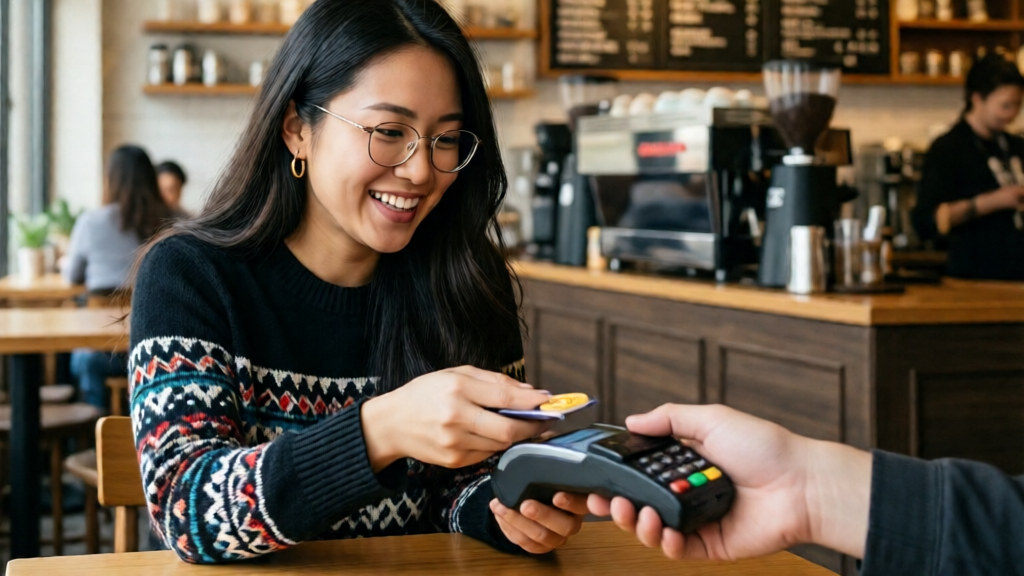
A Day in 2026
Imagine waking up to a Saturday morning. You decide on a local coffee shop that proudly accepts crypto. You pull out your smartphone, open your digital wallet, and scan the QR code at checkout. It’s instant. It’s secure. That’s the reality of 2026.
Comparing Strategies: Risks vs. Rewards
Here’s the scary part: Not all methods of crypto payment are the same. Some come with greater risks while others offer smoother experiences. Below is a quick comparison of different strategies for buying coffee with crypto:
| Strategy | Risk Level | Rewards | Best for |
|---|---|---|---|
| Direct Payment | Medium | Quick, straightforward | Tech-savvy users |
| Crypto Debit Card | Low | Universal acceptance | Everyday users |
| Peer-to-Peer Transactions | High | Potential lower fees | Crypto enthusiasts |
| Mobile Payment Apps | Medium | User-friendly interface | Newbies |
The Mental Game: Addressing Fears & Greed
Let’s get into the mind games. Many people feel overwhelmed. Here’s a peek into a common thought: “Is this safe?” Here’s a little comfort: it can be, but preparation and knowledge are key.
One fear is fluctuations in crypto value right before a transaction. It’s real and valid. I once witnessed a friend upset over a few dollars lost during price swings. Here’s a trick: regularly check a stablecoin option. They hold value better.
2026 Avoid Pitfalls Checklist
Avoiding mistakes is crucial. Here are actionable steps to help you successfully pay for your coffee with crypto in 2026:
- Choose reliable wallets (I recommend checking reviews).
- Opt for wallets with strong security features.
- Dive into your coffee shop’s crypto acceptance policy.
- Make small transactions to build confidence.
- Stay updated on crypto news for changes in regulations.
- Consider using stablecoins for daily purchases.
- Keep backups of your wallet’s seed phrase.
- Use two-factor authentication wherever possible.
FAQ
- Is paying for coffee with crypto safe for beginners?
- Yes, with precautions. Always use established wallets and increase transactions gradually.
- Where can I find coffee shops that accept crypto?
- Local listings or specific crypto directories can help. An app search often shows options.
- What types of cryptocurrencies are accepted by coffee shops?
- Bitcoin and Ethereum are common, but always check specific merchant preferences.
- How does a crypto debit card work?
- It converts crypto to cash during transactions, allowing seamless payments.
- Can I use crypto rewards for coffee purchases?
- Some programs allow you to earn rewards redeemable in specific shops. Check your wallet.
Conclusion
So, there you have it. Paying for your coffee with crypto in 2026 can be as easy as sipping on your favorite brew. Just remember to stay informed and cautious. Don’t let fear hold you back, and use the tools at your disposal. You’re more than capable of embracing this new way of living.
And don’t forget: livescrypto is here to guide you through every step. Your journey into the crypto world can be secure and rewarding.
Author
Dr. Julian Vance
Julian was a security consultant for top DeFi protocols and has 15 years of cybersecurity experience. He has published dozens of in-depth studies on “digital asset security and human behavior.” He currently focuses on helping Web3 newcomers build asset security barriers without sacrificing mental well-being.


